 From the Forest, For the Forest since 1995
Forever Redwood
Our Mission
Restoration Forestry
Our Mission
Restoration Forestry
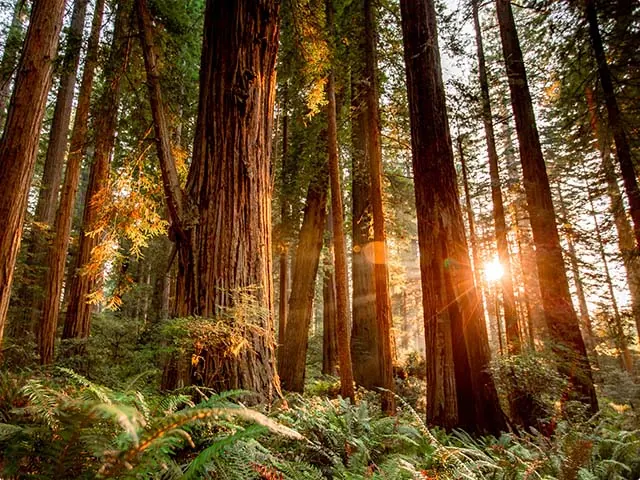
Forever Redwood (FR) restores Redwood forests in Northern California. Founded to change the state of the earth's forests through direct action, FR aims to reverse global forest degradation, fragmentation, and deforestation by restoring and sustainably managing forestland. By demonstrating both ecological and economic benefits, we strive to set an example in the forest product industry.
Read moreRead less
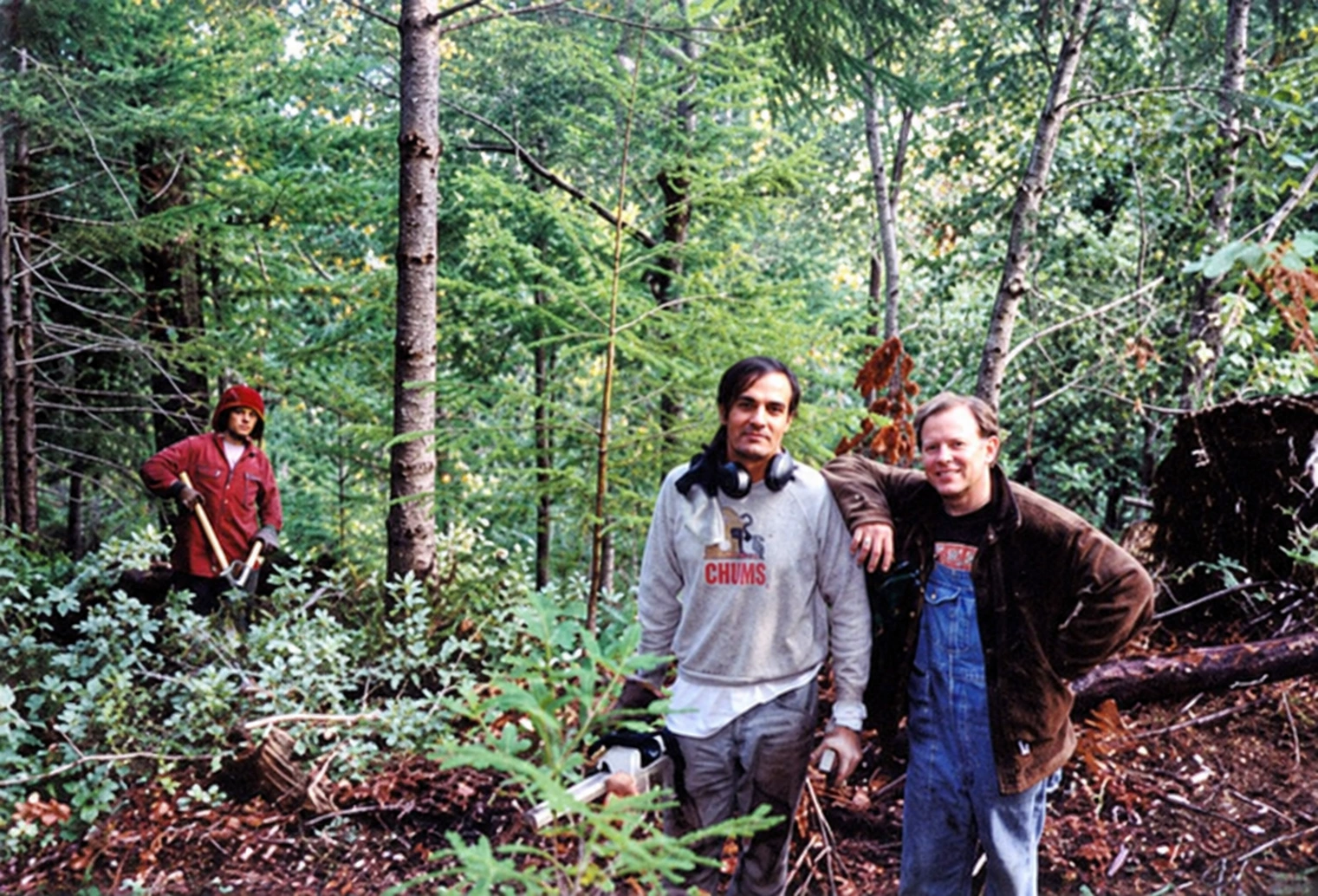
Our fieldwork is primarily done by hand with minimal equipment, focusing on improving tree quality & spacing, wildlife habitat, soil conditions and reducing fire risk. Changes are dramatic within a decade. With investor partners, we purchase degraded Redwood forests, helping while providing a reasonable return on investment through tax breaks, asset appreciation, and sustainable harvesting.
Ecology and Economy
Ecology and Economy
FR operates on the principle that ecology and economy must thrive together. Once the greatest forest in the world, the Redwoods have been reduced to a fraction of their original standing volume. FR manages over 550 acres and we will expand the scope as partners and opportunities arise. There is no lack of poorly managed forestlands planetwide.
Learn more about our approachShow less
FR's lands have conservation easements with forest management plans that protect the forest and maximize ecological and economic productivity. Our goal is to restore as much of our Redwood watersheds as possible while serving as an inspiration for others.
We can harvest trees sustainably while enhancing forest regeneration. By carefully managing harvest rates, we allow the forest to mature and develop ancient trees over time.
Our management practices sequester significant carbon, contributing to climatic stability and reversing declines in biological diversity. It takes time and effort, but we are committed to making dramatic changes. Your Forever Redwood furniture purchase funds our restoration work entirely. Thank you for your support as we aim to restore nearby forests in the coming years.
Historic forest coverage
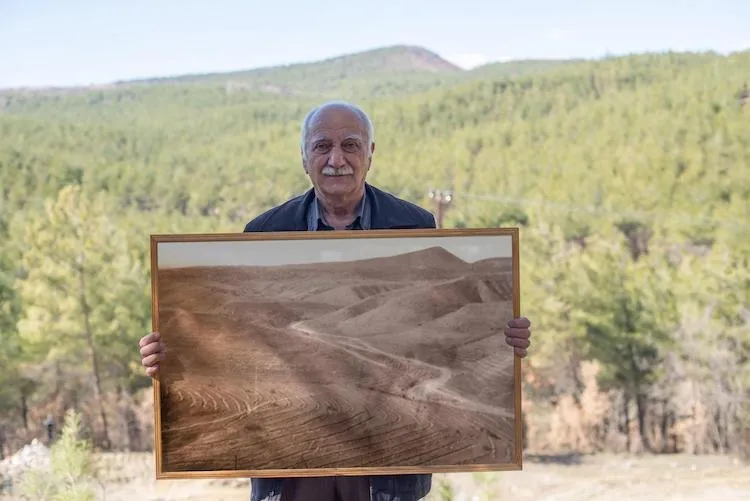
How the Ancient Forest of 1620 disappeared over the centuries 1620, 1850, 1920 and today.
Restoration in Practice
Restoration in Practice
Drag to compare
Read moreRead less
Restoration forestry is a more conservative forestry practice than "Sustainable forestry." Forests under restoration forestry management sequester two and a half to three times more carbon in perpetuity than forests managed under the strictest "sustainable forestry" standards in practice as of 2026. Forever Redwood's mission is to demonstrate how restoration forestry allows both the forest and the human community around it to flourish symbiotically. It is a long-term example of how a forest can contribute to the human society surrounding it while flourishing in all respects simultaneously. A forest managed this way for just a few decades is a striking contrast to an industrial or even a "sustainably" managed forest. Thank you for helping spread Restoration forestry knowledge and its use. Our forest restoration manual includes additional reading references and the legal framework (conservation easements) to restore any forest and keep the restoration in place through subsequent ownerships.
Restoration questions?
If you own forestland that needs restoration or re-vitalization, we can help. If you own Redwood forestlands in Sonoma, Mendocino or Humboldt counties, email us at [email protected].
How Trees Grow
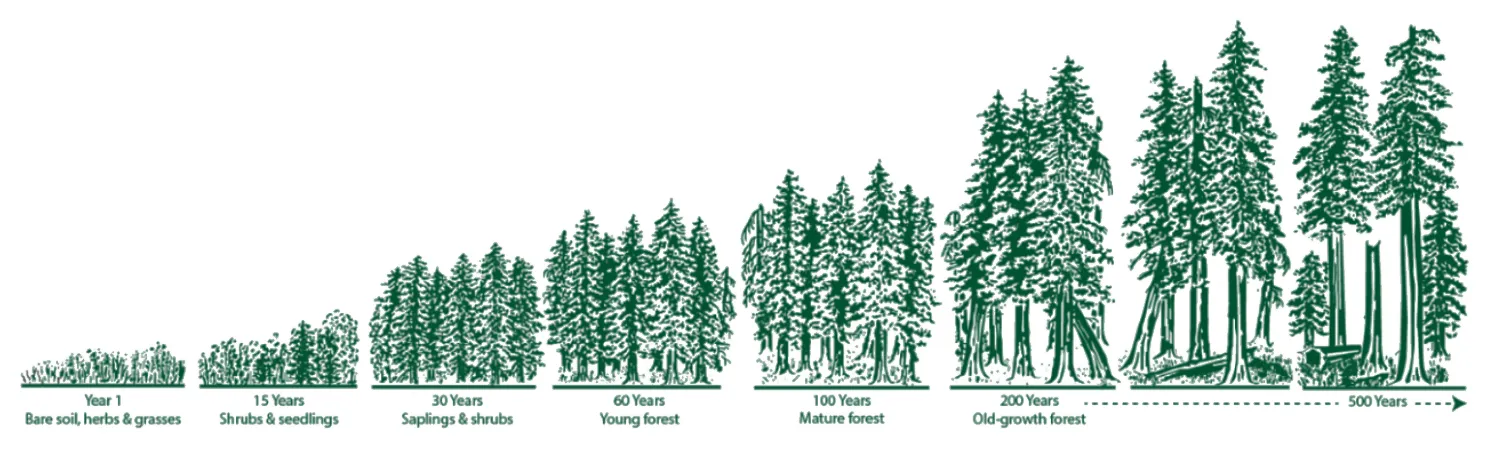
The growth can be divided into three phases:
- 01 A very high, rapidly declining percentage growth and negligible volume production. A pencil-thin tree may double in volume in one year, but the volume added amounts to very little. (100% declining to about 7%.)
- 02 A lower, gradually declining percentage growth and a high volume growth, ending when average annual volume growth culminates. (About 7% to 2%.)
- 03 A continually declining percentage growth and a slowly decreasing high volume growth. (Below 2%.)
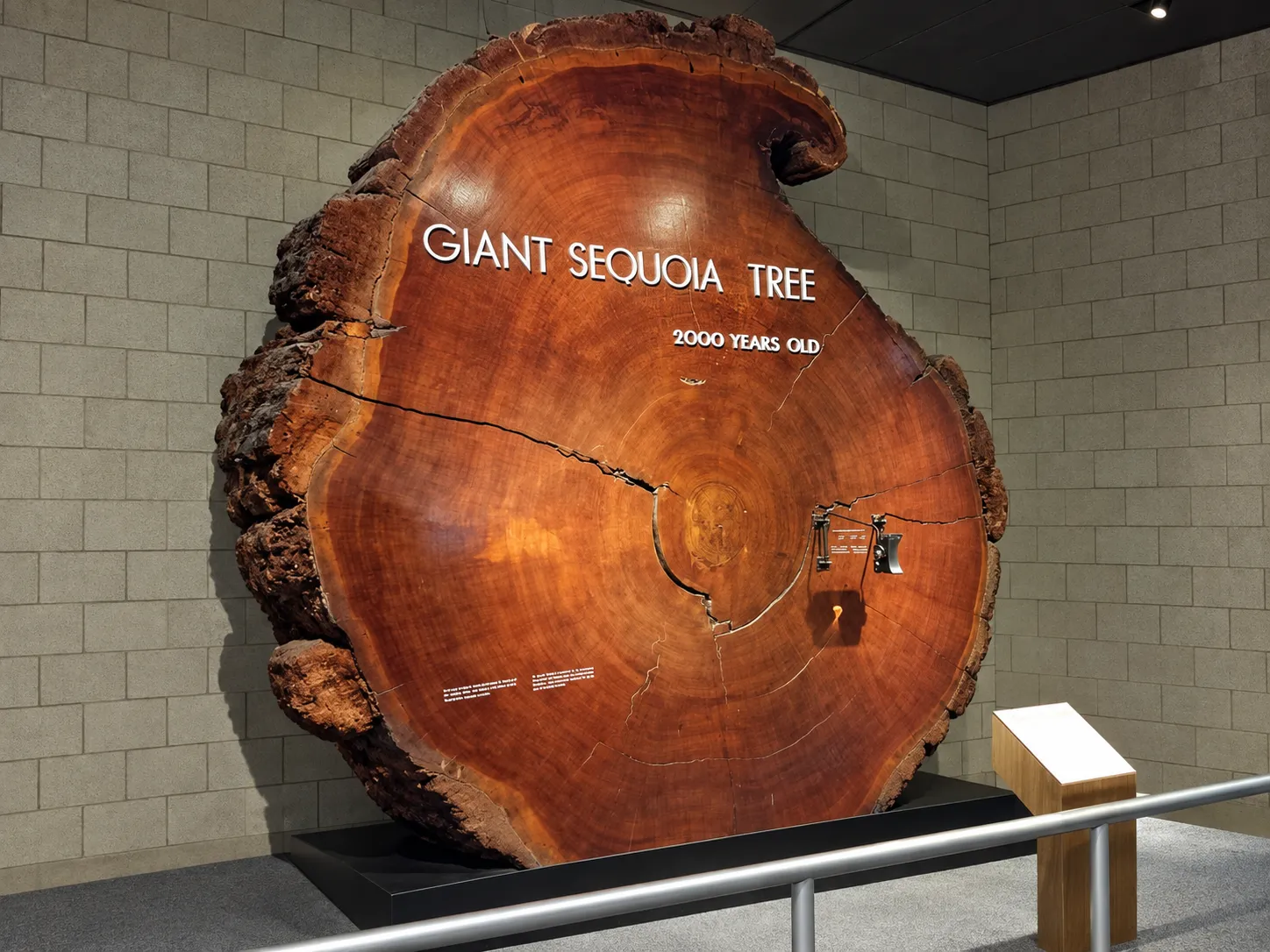
All conifers continue to grow substantially in the third phase, some more and for longer than others. Redwoods and cedars increase volume considerably for many hundreds of years after reaching a culmination of average annual volume growth.
Read moreRead less
Also —and most importantly— all tree species show a significant increase in the quality of their wood during the slower, post CMAI phase of growth. This period —when the forest becomes mature— is also the most important for the creation of high inventory and forest sustainability. For the perpetuation of California's redwood forests, this third phase is especially important since it is needed to allow for natural regeneration and thus continued genetic adaptation to changing environmental conditions. Therefore, if native forests are to be used for perpetual timber production, it is imperative, for reasons that include maximum long-term revenue flow for both the owner and the local community, not to eliminate this lucrative component of all native forests.
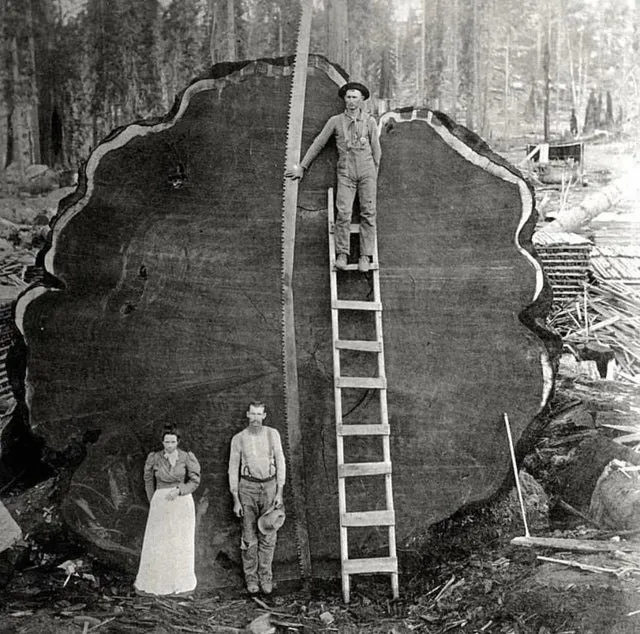
Current North American forestry practices, with few exceptions, do indeed eliminate this third, most important phase of tree growth. And worse, not only are these older trees being systematically eradicated, but even much younger trees —trees in their most active, pre-CMAI period of growth— are routinely harvested under the current practices of industrial forestry. This level of over-cutting has finally made the ongoing destruction of our native forests clearly apparent to everyone who is concerned with not only other species' survival, but also our own.
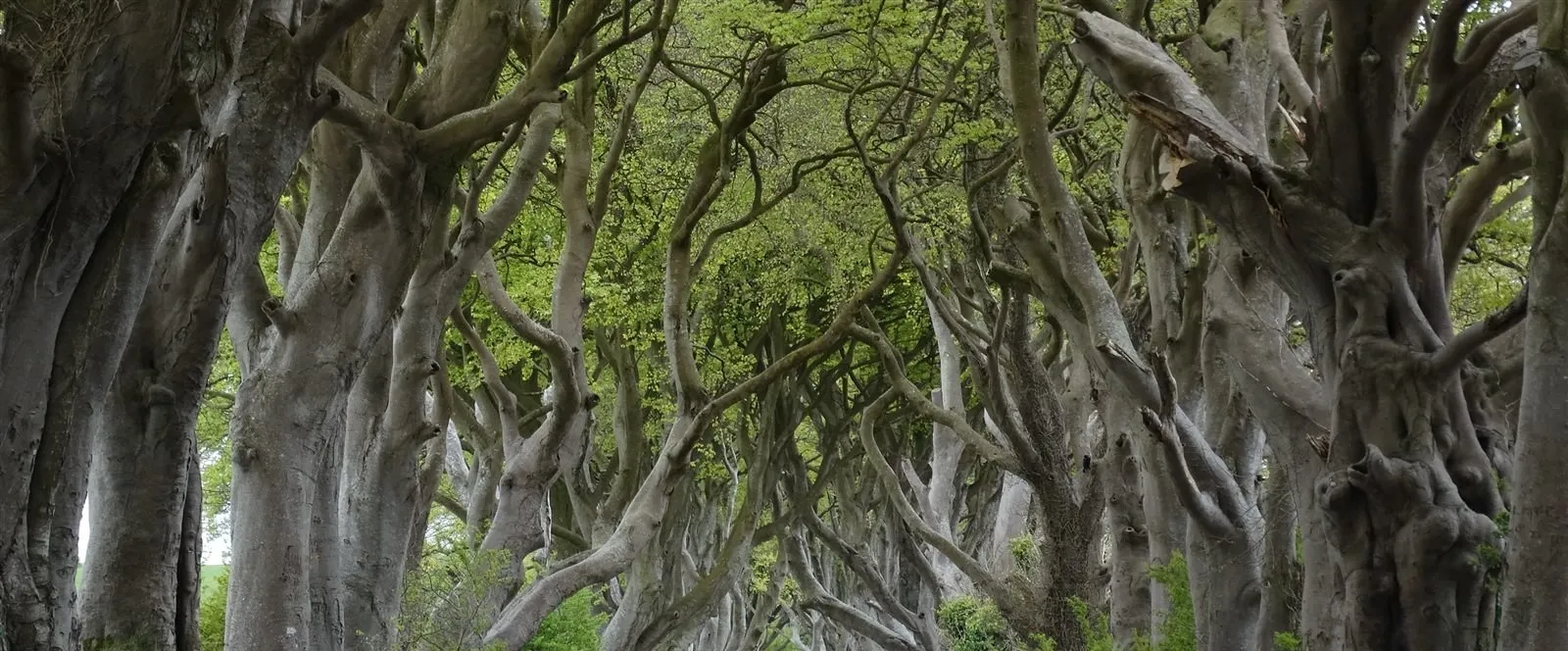
If the heat bothers you, plant a tree.
If the water bothers you, plant a tree.
If you like fruits, plant a tree.
If you like birds, plant a tree.
And if you like life, plant many trees.
 Customer Reviews
 The Presidential Bench
 Contact & Help