Our own guide to restoration forestry, from the forest behind the furniture.
Read moreRead less ↓
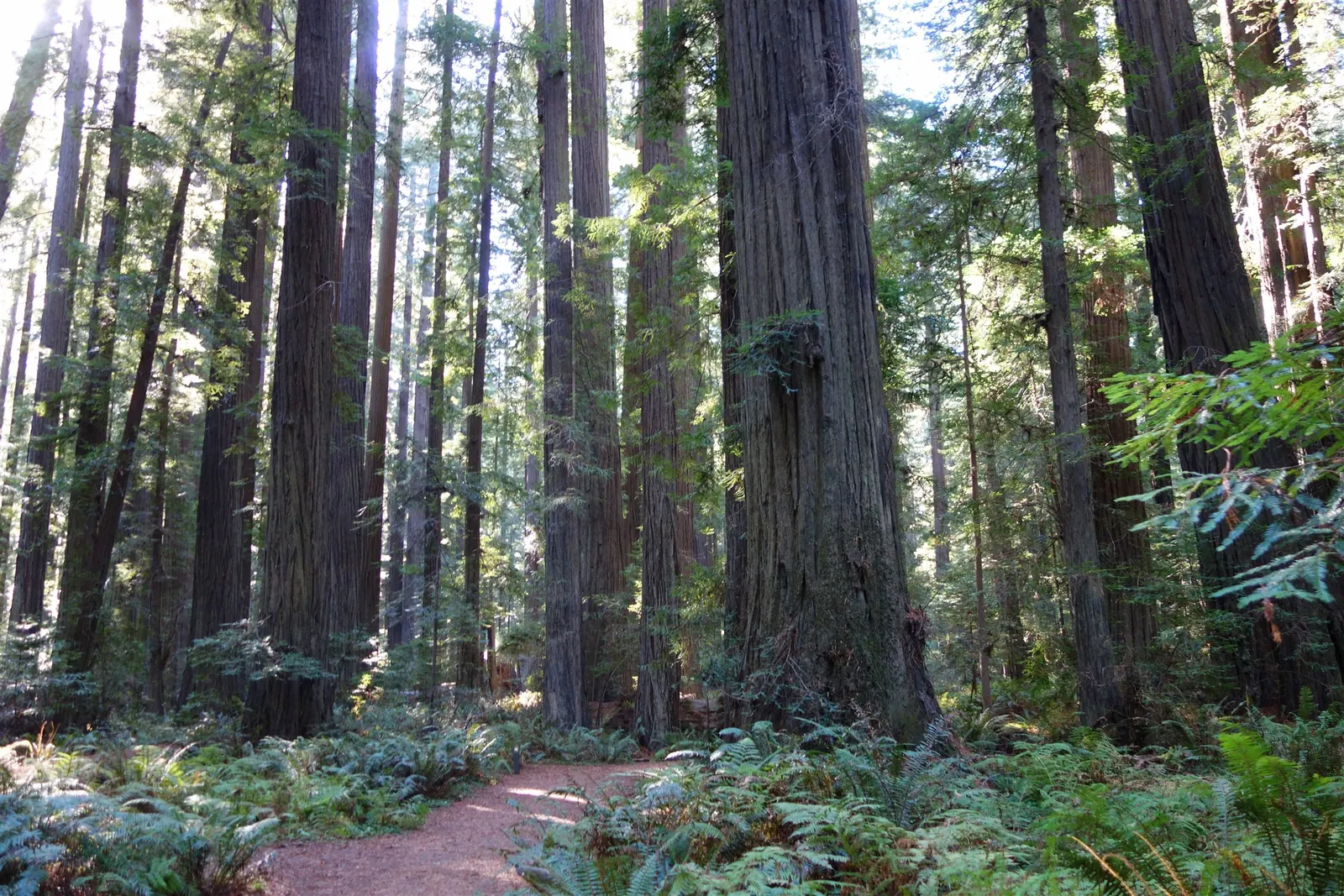
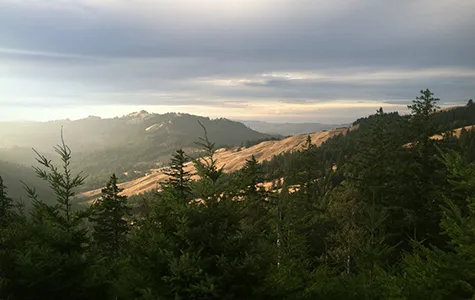
When the lands we manage were logged in 1964, the softwood timber volume (Redwood, Douglas-fir and Sugar Pine) was reduced from an average of over 60,000 board feet per acre (bf/ac) to below 4,000 bf/ac. At the same time, many of the competing hardwoods were left standing (Tan Oak, Madrone, Live Oak, Bay Laurel, Manzanita and others). This resulted in reducing the standing softwood timber volume of the forest to below 10% of its standing capacity while the hardwood volume jumped from approximately 15% of total volume to well over 50%. The forest became an overcrowded fire hazard of suppressed and poor quality trees, nothing like the old forest it replaced.
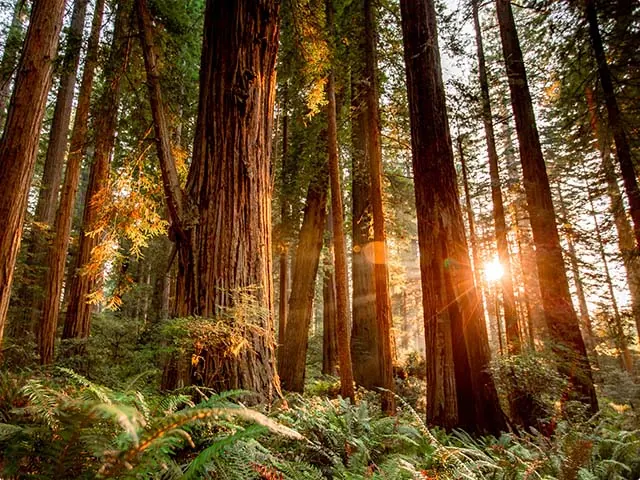
We begin our forest restoration process by thinning the hardwoods at the same rate they are growing (about 40% every 15 years) so that they will not increase in actual volume over time. Many of the thinned trees are of poor health, form or are suppressed trees that will not survive and contribute to the already high fire hazard. Each thinning is a labor intensive effort (no chemicals are ever used) that lowers the fire hazard while improving overall tree quality and spacing. Practicing these steps consistently over time allow the large softwood trees to slowly regain dominance within the forest again. We thin the softwoods (Redwood, Douglas-fir and Sugar Pine) at up to 20% every 15 years while the forest is growing approximately 50% every 15 years at this point in its maturation. From this very conservative harvesting, we make our "Mature Redwood" and "Redwood" grades of lumber furniture. For more information, please download the forest restoration manual.
 From the Forest, For the Forest since 1995



 December 13, 2023
 January 27, 2020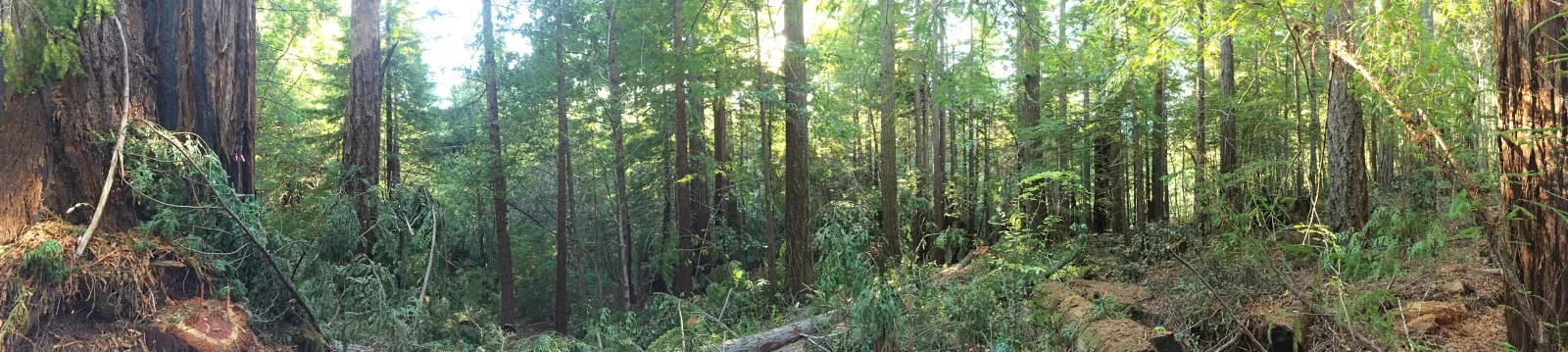
 February 11, 2015
 March 4, 2014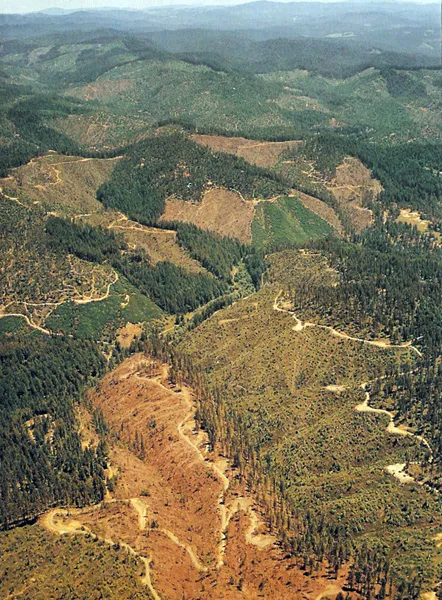
 November 23, 1997
 Customer Reviews
 The Presidential Bench
 Contact & Help